
Web Design
Nov 15, 2025
Why most small business websites take three months (and shouldn't)
Most agencies quote three months for a website that takes three weeks of actual work. Here's where the other eleven weeks actually go, and how to ask for them back.
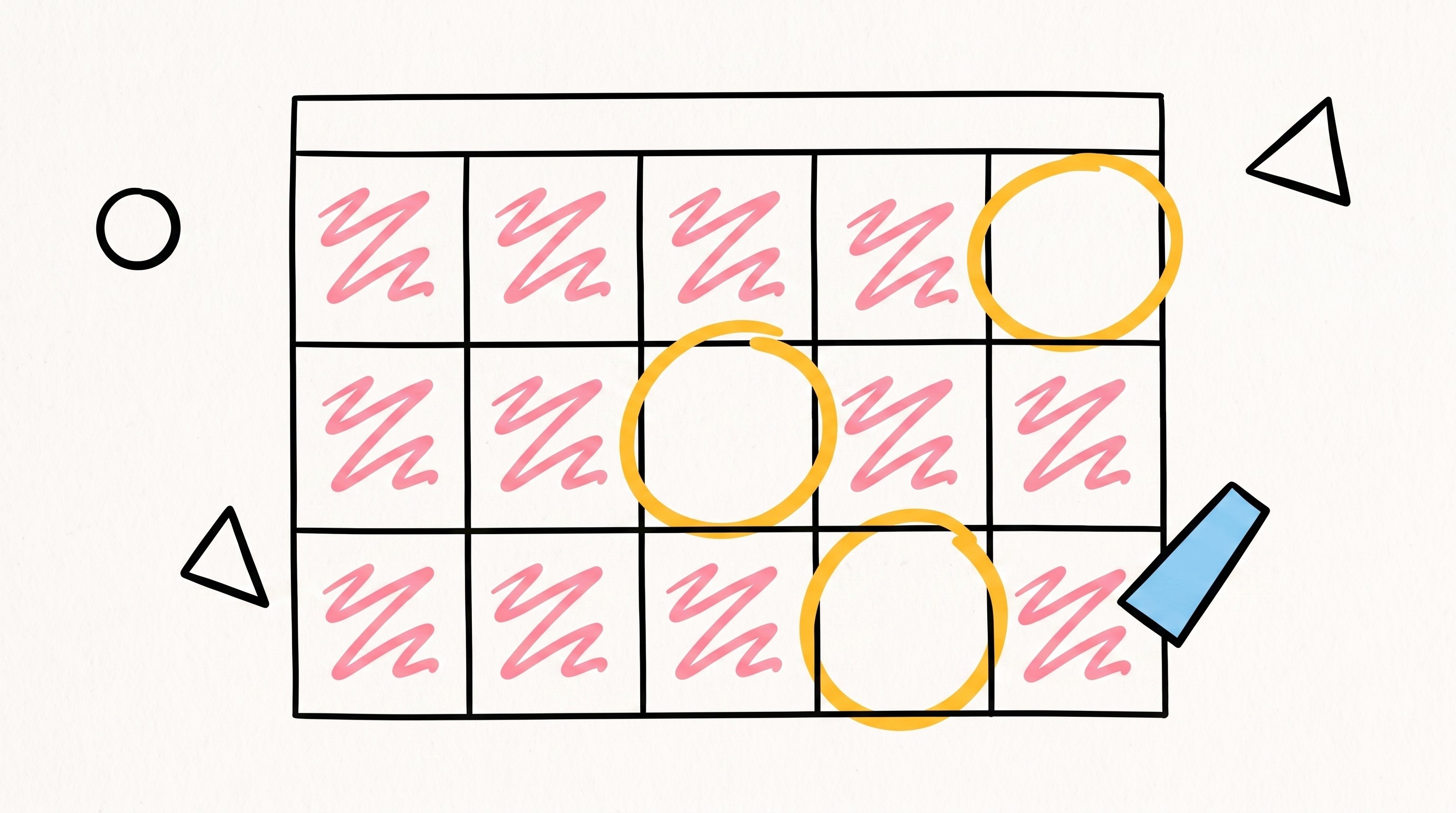
Where twelve weeks actually go
I'll be straight about my own industry first. Most agencies quote three months for a website that takes three weeks of actual work.
Take a business owner who's just had a call with a design studio. Five pages, some copy, a booking link, a handful of photos. The quote comes back at twelve weeks, sometimes sixteen. She says yes anyway, because every quote she's had back says roughly the same thing.
The build itself is rarely the problem. What eats eleven or twelve weeks is everything wrapped around it: a discovery deck, a stakeholder sign-off, an account manager relaying every change to a developer who isn't in the room, a revision round that waits a week for approval before the next stage can even start.
Most of that padding is defensive, built from agencies getting burned before. Every handoff adds a day. Every layer of sign-off adds a week. None of that time gets spent building anything. It gets spent waiting.
“A website timeline is mostly a measurement of how many people a message has to pass through before someone can act on it.”
I started building sites in 2010, when the tools were slow enough that twelve weeks might have been a fair estimate. That math changed a long time ago.
Cut the number of handoffs and the calendar changes with it. Framer is a design and build tool in one, so there's no handoff between a designer producing static mockups and a developer rebuilding them in code afterwards. What you review on a call is the live site itself.
Unlimited revisions within reason work in this model precisely because there's no chain to reset every time something changes. A change on day two doesn't ripple through five people's queues. It just updates the file.
The pattern shows up well beyond web design. A Project Management Institute survey found that 52% of projects run into scope creep: changes made after the brief was set, without a matching adjustment to schedule. Most agencies quoting twelve weeks have been burned by exactly this, and the usual response is to pad the next quote rather than fix the process behind it.
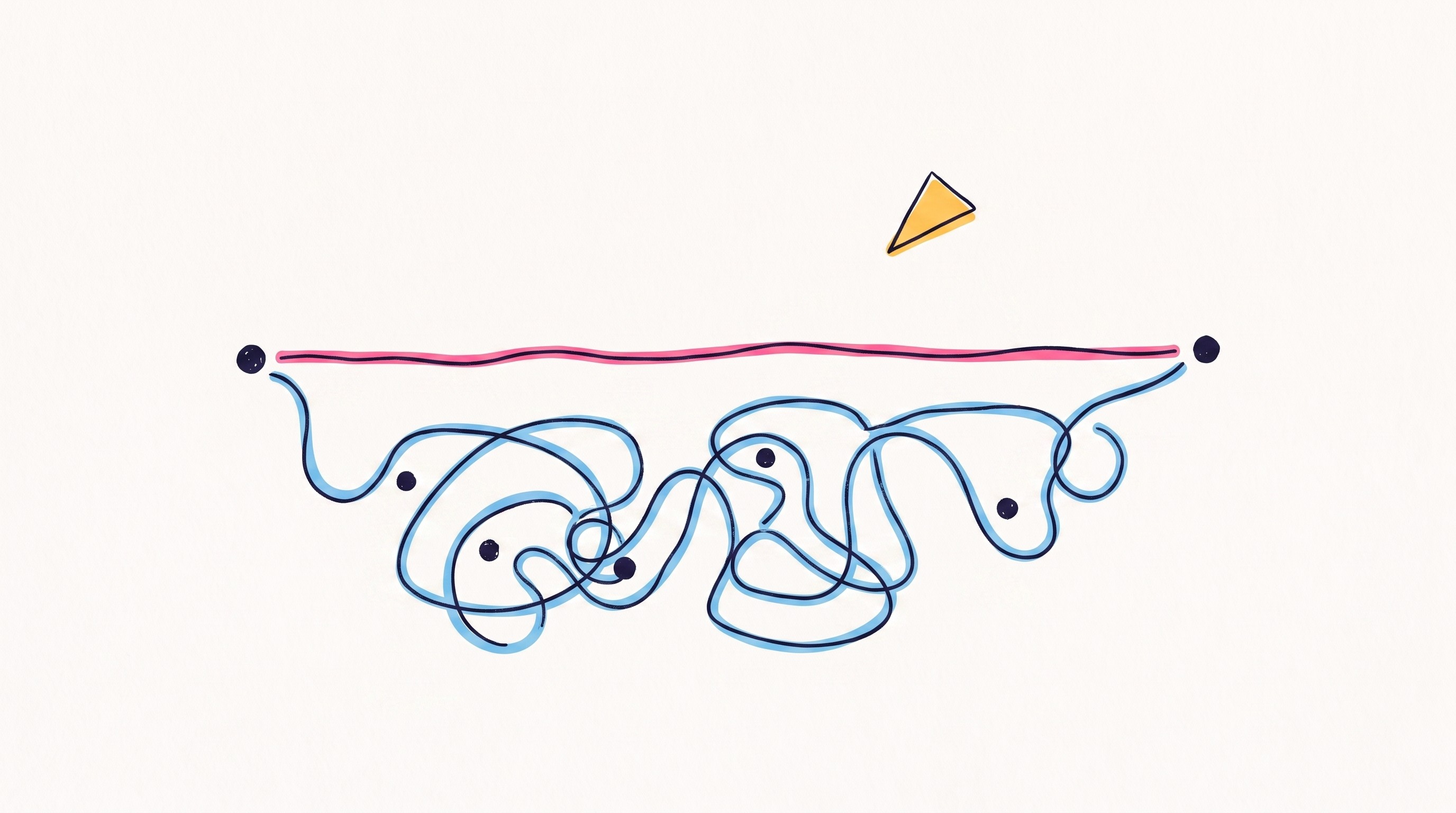
What to ask before you accept a timeline.
If you're getting web design quotes right now, ask whoever you're talking to: how many people will actually touch this project, and how many of them will you speak to directly? A chain answer tells you something about the calendar before you've seen a single date.
Ask what tool they build in, too. A visual, real-time builder means you're looking at the actual site while decisions get made. A static mockup means someone still has to translate every choice into code afterwards, and that translation step alone can eat weeks.
Building a website stopped being complicated years ago. What stayed complicated, for most agencies, is the process wrapped around the tools, because that process is where the billable hours live.
Three months mostly measures the number of desks a project has to cross before it reaches someone who can actually build it. If you want to find out what your own project actually takes, that's what a first conversation is for. Start your project whenever you're ready.


